
The holidays are often painted as a joyful, magical time—but for many people, they can feel overwhelming, emotional, and exhausting. Between family expectations, financial stress, social obligations, and changes in routine, it’s common for mental health to feel more fragile during this season.
If you’re finding the holidays harder than expected, you’re not alone—and there are ways to protect your mental well-being while still honoring where you are.
Why the Holidays Can Affect Mental Health
Even people who usually feel emotionally stable may notice increased anxiety, low mood, or irritability during the holiday season. Some common contributors include:
- Increased social pressure or family conflict
- Grief or reminders of loved ones who are no longer present
- Financial stress related to gifts, travel, or time off work
- Disrupted sleep, routines, and eating patterns
- Seasonal changes such as shorter days and less sunlight
For individuals living with anxiety, depression, bipolar disorder, or other mental health conditions, these stressors can intensify existing symptoms.
7 Tips for Managing Your Mental Health During the Holidays
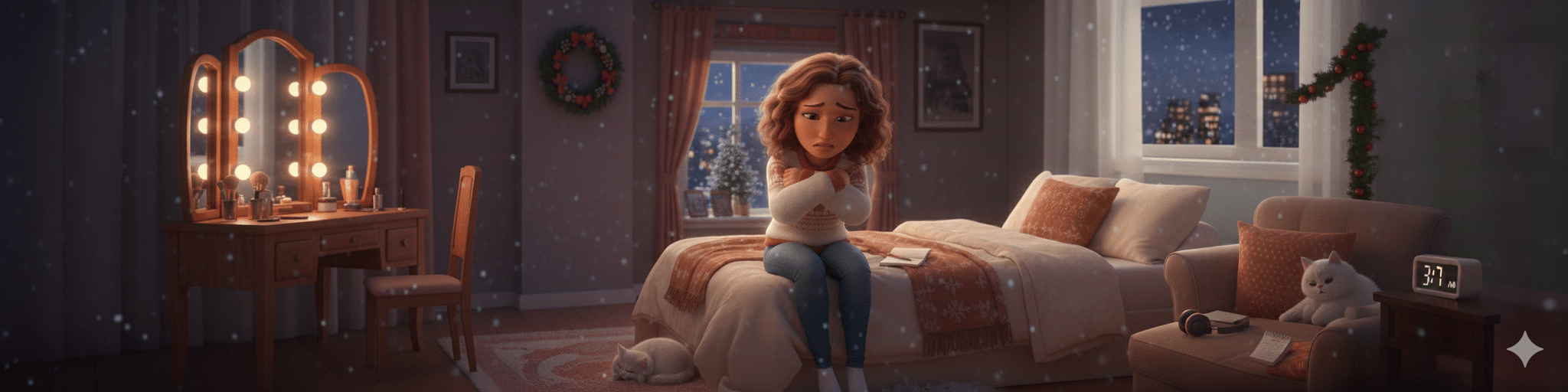
1. Give Yourself Permission to Feel What You Feel
You don’t have to be cheerful just because it’s the holidays. Feeling sad, anxious, overwhelmed, or numb does not mean you’re doing something wrong. Emotional honesty is healthier than forced positivity.
2. Set Gentle Boundaries Around Your Time
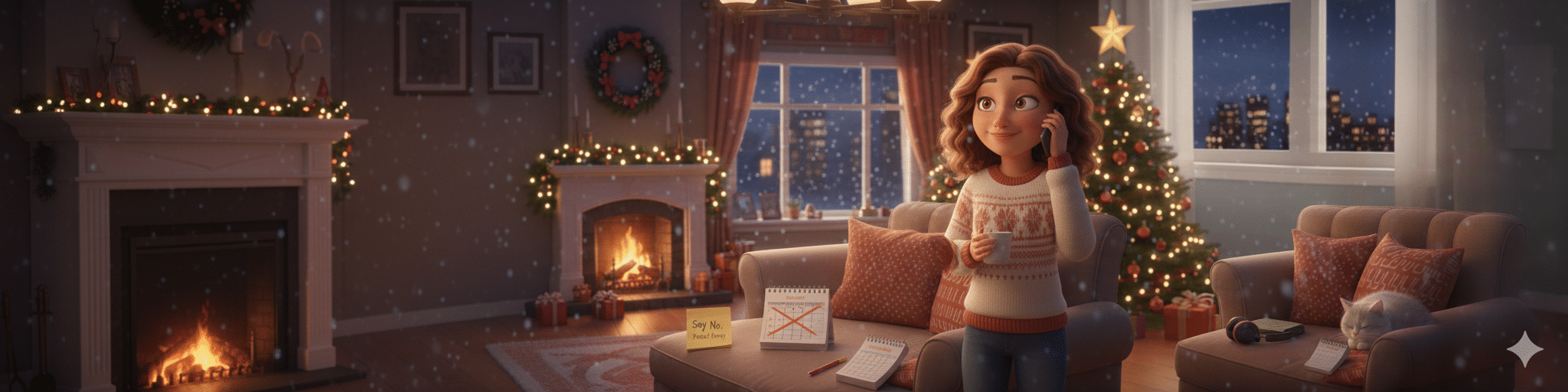
It’s okay to say no—to events, conversations, or obligations that feel draining. Protecting your energy is not selfish; it’s necessary.
A simple boundary might sound like:
“I won’t be able to attend this year, but I appreciate the invitation.”
3. Keep Small Routines When You Can
Even small routines—like a morning walk, regular meals, or a consistent bedtime—can help regulate mood and reduce anxiety during a chaotic season.
You don’t need perfect routines. Consistency in one or two areas is enough.

4. Limit Overstimulation
Too many gatherings, too much noise, or constant social interaction can be overwhelming—especially for those with anxiety or ADHD.
It’s okay to step outside, take breaks, or leave early if your nervous system needs it.

5. Be Mindful With Alcohol and Substances
Alcohol can temporarily numb stress but often worsens anxiety, depression, and sleep quality afterward. If you notice increased emotional swings, consider moderating or avoiding alcohol during the season.

6. Stay Connected—On Your Terms
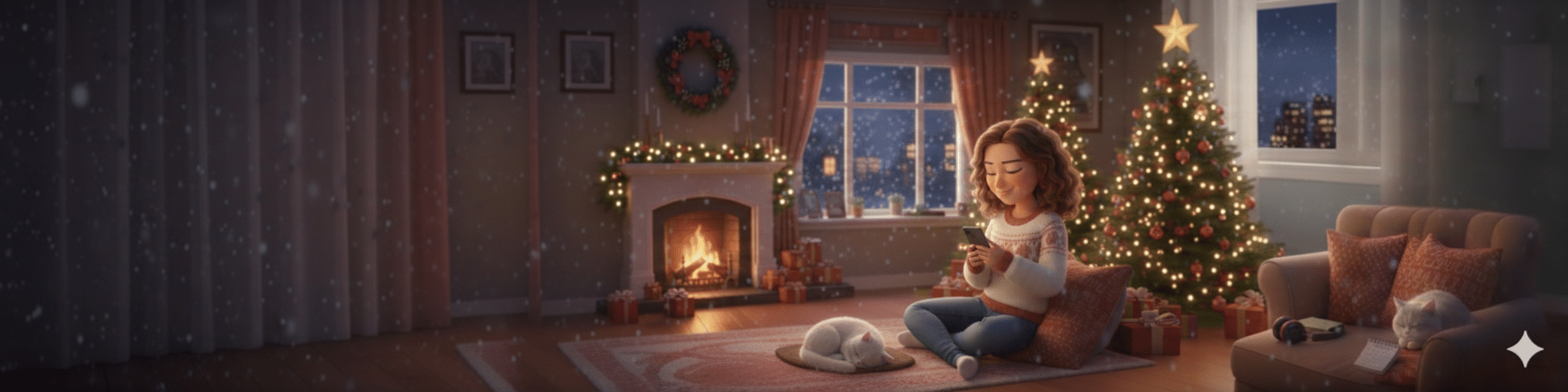
Connection doesn’t have to look like big gatherings. A phone call, a quiet coffee, or even texting someone who understands you can be enough.
Isolation can worsen symptoms, but connection should feel safe, not forced.
7. Know When to Reach Out for Professional Support
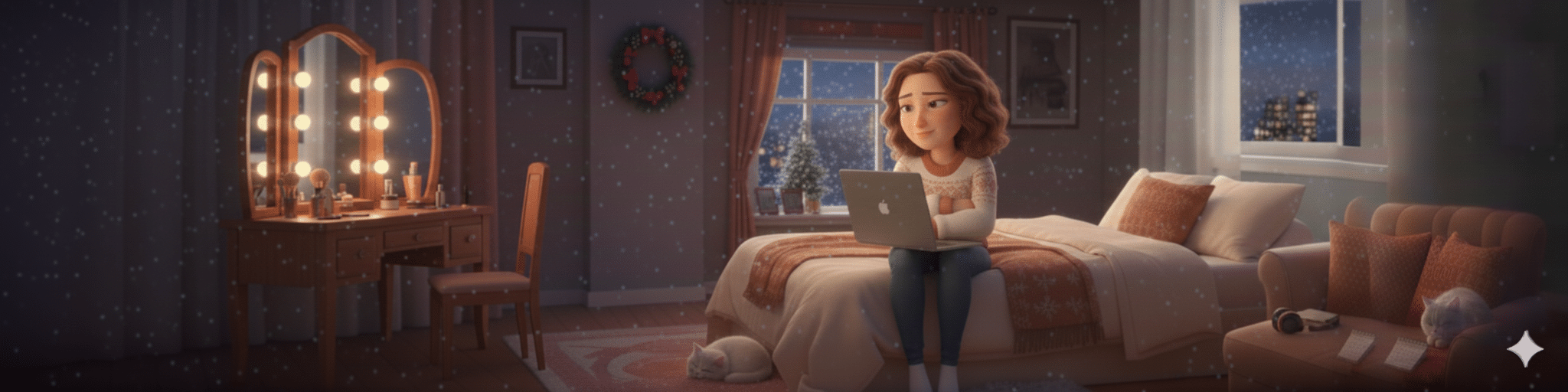
If you notice that symptoms are interfering with daily life—such as persistent low mood, intense anxiety, sleep disruption, mood swings, or difficulty functioning—it may be time to seek professional help.
You don’t need to wait for a crisis. Early support can prevent symptoms from escalating and help you feel more grounded during the season.
Mental Health Support During the Holidays Is Available
At Bubblegum and Duct Tape Wellness, we provide telehealth psychiatric services so you can access care from the comfort of your home—even during a busy holiday schedule.
Our licensed Psychiatric Mental Health Nurse Practitioners (PMHNPs) support adults experiencing:
- Anxiety and panic symptoms
- Depression and seasonal mood changes
- Bipolar disorder
- ADHD
- Trauma-related stress
- Holiday-related emotional overwhelm
We currently serve patients across Oregon, Washington, Montana, and Arizona, with secure virtual appointments designed to fit into real life.
You Don’t Have to “Get Through” the Holidays Alone
The holidays don’t have to be perfect—and neither do you.
If this season is bringing up more than you expected, support is available. Caring for your mental health is one of the most meaningful gifts you can give yourself.
When you’re ready, we’re here to help↗—one steady step at a time.
Learn more about caring for your mental health from the National Institute of Mental Health (NIMH)↗