
Understanding the ways anxiety shows up in your body — and how to get the right support.
Anxiety doesn’t always look like worry, overthinking, or emotional overwhelm.
For many people, it first shows up in the body — through discomfort, tension, or sensations that feel scary or confusing. In fact, physical symptoms of anxiety are one of the most overlooked signs, and they can easily be mistaken for medical issues.
Learning to recognize these symptoms not only helps you understand what your body is trying to tell you, but also guides you toward the right care and support.
If you need a refresher on what anxiety is and how it affects your mind and body, you can revisit: ↗
???? Understanding Anxiety: When Worry Becomes Too Much↗
Now, let’s explore the physical symptoms of anxiety you shouldn’t ignore.
Why Anxiety Shows Up in the Body
When your body senses stress — whether it’s a real threat or an emotional one — your nervous system activates the fight-or-flight response↗. Adrenaline rises, your heart beats faster, your breathing changes, and your muscles tense.
This response is meant to protect you… but when anxiety becomes chronic, your body stays in this heightened state far longer than it should.
That’s when physical symptoms begin to appear.
9 Physical Symptoms of Anxiety You Shouldn’t Ignore
???? Chest Tightness or Chest Pain
This is one of the most alarming symptoms because it often mimics a heart-related issue.
Chest tightness from anxiety typically:
- Comes with worry or panic
- Peaks quickly
- Improves as you calm down
But chest pain should always be taken seriously. If you’re unsure whether it’s anxiety or something else, seek immediate medical help.

???????? Shortness of Breath
Many people describe this as:
- Feeling like you can’t get a deep breath
- Tightness in the throat
- Air “not going in right”
Anxiety can cause rapid or shallow breathing, which leads to a sense of suffocation even when oxygen levels are normal.

???? Racing Heart (Heart Palpitations)
Your heart may pound, flutter, or beat faster than usual.
This happens when adrenaline surges — even if you’re sitting still.
If palpitations are new, persistent, or paired with dizziness, it’s important to get evaluated.

???????? Dizziness or Feeling Lightheaded
This often happens because anxiety changes how you breathe.
Over-breathing reduces carbon dioxide levels, which can make you feel faint or unsteady.

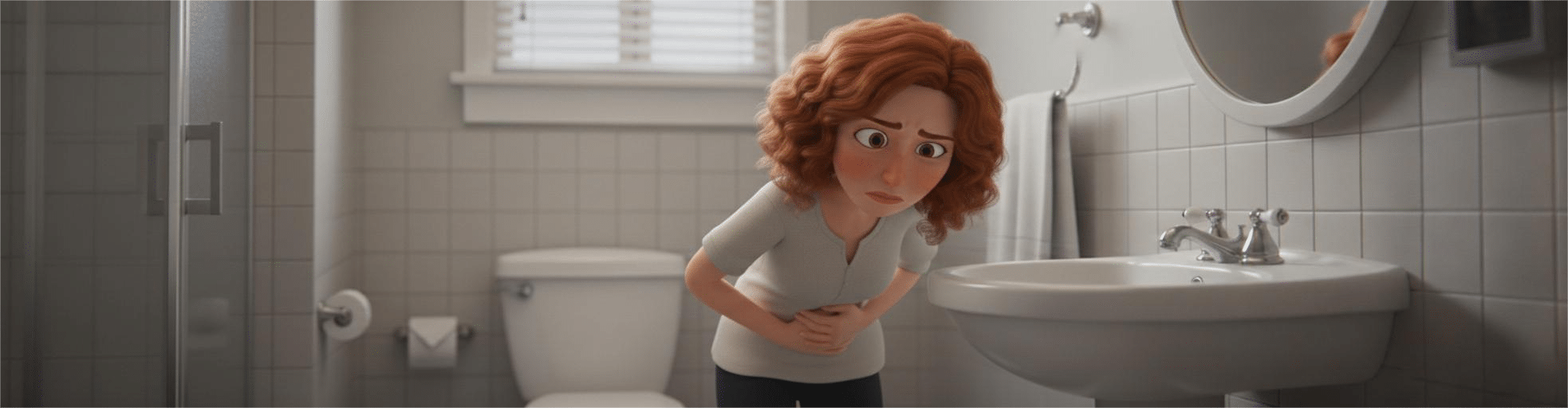
???? Stomach Issues & Digestive Symptoms
Your gut and brain are deeply connected. Anxiety can trigger:
- Nausea
- Bloating
- Stomach cramps
- Diarrhea
- Irritable bowel syndrome (IBS) flare-ups
This is why anxiety often “lives” in the stomach.
For more holistic ways to manage these symptoms, check out: ↗
???? 7 Holistic Tips to Manage Anxiety↗
???? Muscle Tension and Body Aches
Chronic stress causes muscles — especially in your shoulders, jaw, and back — to tighten automatically.
Common examples:
- Jaw clenching
- Teeth grinding
- Neck stiffness
- Tension headaches

???? Fatigue and Low Energy
Living in a constant state of alertness exhausts the body.
Anxiety drain feels like:
- Being mentally foggy
- Struggling to get through the day
- Feeling tired even with rest

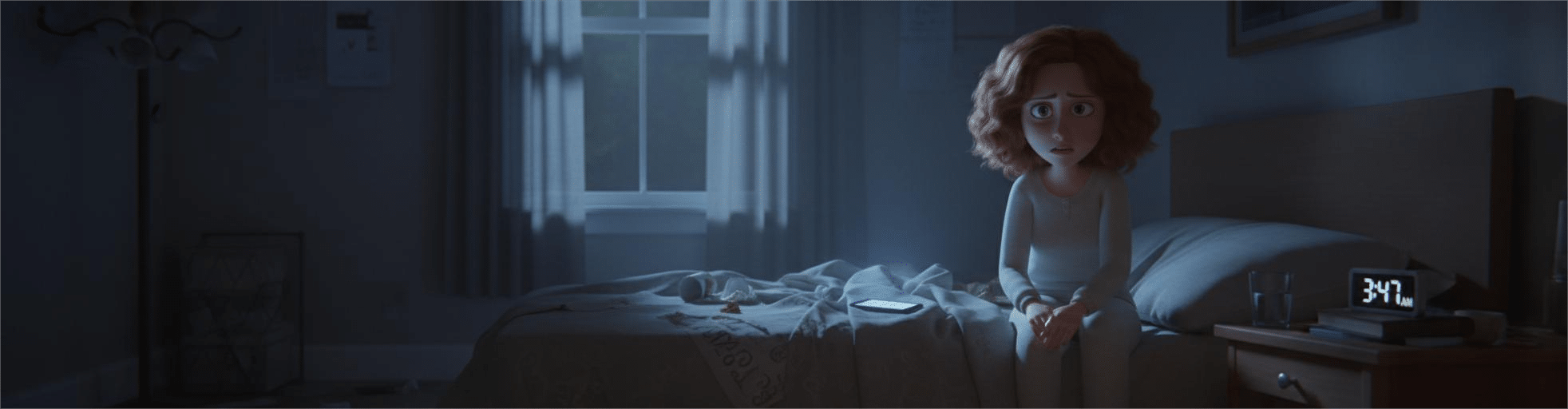
???? Trouble Sleeping
Sleep becomes difficult when your mind refuses to slow down.
You might struggle with:
- Falling asleep
- Staying asleep
- Waking early with worry
- Restless, shallow sleep
???? Numbness or Tingling
Anxiety-related hyperventilation can cause:
- Tingling in hands or feet
- Numbness in lips or face
- “Pins and needles” sensations
Although often harmless, new or sudden numbness should always be evaluated.

When It Might Not Be Anxiety
It’s important to remember:
Physical symptoms should not be dismissed without assessment.
Seek medical care if:
- Chest pain is severe or unfamiliar
- You faint or feel like you might faint
- Symptoms appear suddenly without a trigger
- Your instincts say something is wrong
Anxiety can mimic medical conditions — but it should never replace proper evaluation.
How to Manage These Physical Symptoms
Here are supportive strategies to ease anxiety in the body:
✔ Breathing techniques
Slow, deep breathing calms the nervous system.
✔ Grounding exercises
Bring your mind back to the present moment.
✔ Reduce stimulants
Caffeine, nicotine, and energy drinks can trigger physical anxiety.
✔ Movement
Light exercise releases tension stored in the muscles.
✔ Improve sleep routines
Even small habits create big changes.
✔ Therapy and medication
Professional support can address both emotional and physical symptoms.
When to Seek Professional Help
Consider reaching out if:
- These symptoms are frequent
- They interfere with daily life
- You’re unsure whether they’re anxiety or a medical issue
- You feel overwhelmed or unable to cope
You don’t have to navigate this alone — anxiety is highly treatable, and support makes a world of difference.
We’re Here to Help
At Bubblegum & Duct Tape Wellness, we take a warm, human-centered approach to mental health care, offering telehealth psychiatric services across Oregon, Washington, and Montana for accessible, compassionate support.
- Compassionate psychiatric care
- Medication management
- Holistic support
- Safe, evidence-based treatment plans
✨ You can start with a free 15-minute consultation
A licensed psychiatric provider will help you understand your symptoms and explore the best next steps — judgment-free and at your pace.
???? Book Your Free Consultation:
https://bubblegumandducttapewellness.com/contact/↗