
Many people quietly wonder, “Is this just stress… or is it time to get help?”
When it comes to bipolar disorder, figuring out when to seek help for bipolar disorder is a question many people ask—and it’s both incredibly common and completely valid.
Bipolar disorder doesn’t always show up as a dramatic crisis. For many people, it appears gradually, through patterns that become harder to ignore over time. Understanding when to seek help for bipolar disorder can make a meaningful difference in long-term stability, relationships, and overall quality of life.
At Bubblegum and Duct Tape Wellness, we believe that early support leads to clarity—not labels—and that reaching out is a form of self-care, not weakness.
What Is Bipolar Disorder?
Bipolar disorder is a mental health condition characterized by significant shifts in mood, energy, and activity levels that go beyond everyday ups and downs.
These shifts may include:
- Manic or hypomanic episodes
(increased energy, racing thoughts, impulsivity, reduced need for sleep) - Depressive episodes
(low mood, fatigue, loss of interest, hopelessness)
Symptoms don’t always happen all at once. Often, it’s the pattern over time—not a single moment—that signals something deeper may be going on. You can read this overview about Bipolar Disorder↗
Signs It May Be Time to Get Help for Bipolar Disorder
You don’t need to wait for a crisis to seek support. It may be time to reach out if you notice:
- Intense mood swings that feel difficult to control
- Periods of very high energy followed by deep emotional lows
- Changes in sleep patterns or energy levels
- Increased impulsivity, irritability, or restlessness
- Difficulty functioning at work, at home, or in relationships
- Feeling like you’re “not yourself,” even when things seem okay on the surface
These symptoms don’t have to be constant to matter. Many people with bipolar disorder experience cycles, where symptoms come and go—but still disrupt daily life.

Why Early Evaluation Matters
Early evaluation isn’t about rushing into a diagnosis—it’s about understanding what’s happening.
Getting support sooner can help:
- Identify mood patterns before they become more disruptive
- Reduce the severity or frequency of future episodes
- Improve sleep, focus, and emotional regulation
- Protect relationships and work performance
- Provide relief through clarity and guidance
Early care can also prevent months or years of uncertainty, self-doubt, or misdiagnosis.

Seeking Help Is Not About Labels
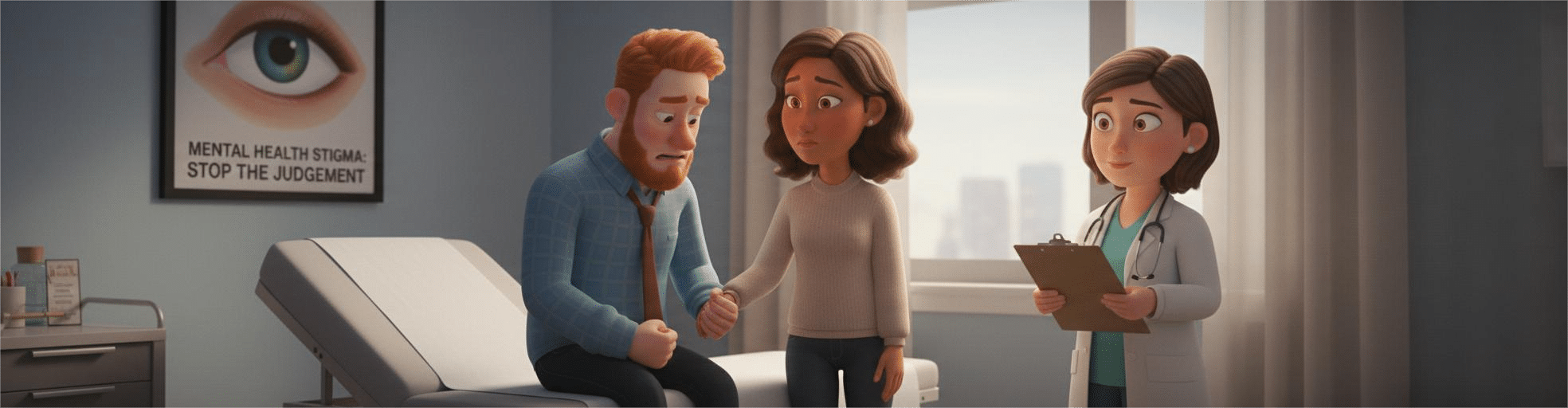
One of the biggest barriers to care is fear—fear of being labeled, judged, or misunderstood.
But seeking support for bipolar disorder is not about defining who you are.
It’s about:
- Gaining clarity
- Receiving professional guidance
- Learning tools to support long-term stability
- Taking care of your mental health with intention
A diagnosis doesn’t take something away from you—it can help you understand yourself better and move forward with support.
What Support for Bipolar Disorder Can Look Like
Treatment for bipolar disorder is highly individualized. Depending on your needs, care may include:
- Psychiatric evaluation and diagnosis
- Medication management
- Ongoing follow-up and monitoring
- Therapy referrals
- Lifestyle and sleep support
At Bubblegum and Duct Tape Wellness, care is led by licensed Psychiatric Mental Health Nurse Practitioners (PMHNPs) who take time to understand your history, symptoms, and goals.

You Don’t Have to Wait for a Crisis
If something feels off—even if you can’t fully explain it—that’s reason enough to ask questions.
You deserve support before things become overwhelming.
Bubblegum and Duct Tape Wellness offers telehealth psychiatric services across Oregon, Washington, and Montana, making it easier to explore care options from the comfort of your home.
If you’re unsure where to start, schedule a free 15-minute consultation↗ can help you decide what the next step might look like—without pressure or judgment.
Take the Next Step When You’re Ready
Seeking help is not a sign of weakness.
It’s a step toward understanding, balance, and support.
If you’re noticing patterns in your mood, energy, or daily functioning, you don’t have to figure it out alone.